

College of Christian Theology Bangladesh (CCTB)
Savar, Dhaka, Bangladesh
Date: 19 October 2018
- Introduction
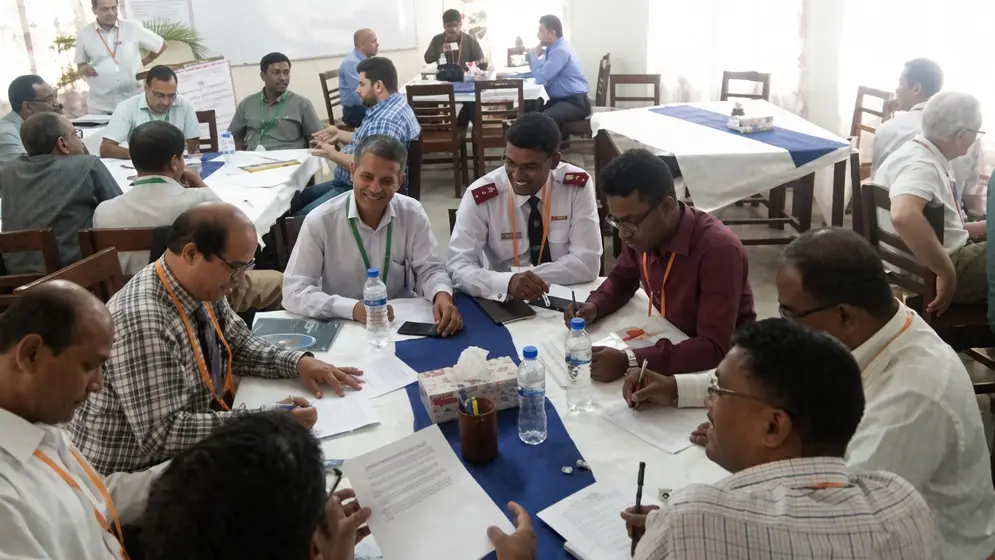
On 19 October 2018, I attended the Five-Year Strategic Plan Meeting – 2018 of the College of Christian Theology Bangladesh (CCTB), held at Savar, Dhaka, Bangladesh. The meeting was organized to discuss the institution’s future direction, review its educational and ministerial priorities, and establish strategic goals for the next five years.
The meeting provided an important opportunity for institutional leaders, faculty members, and other participants to reflect on the college’s mission, evaluate its current position, and consider practical strategies for its future development.
- Objectives of the Meeting
The major objectives of the meeting were:
To review the mission, vision, and educational objectives of CCTB.
To identify the institution’s strengths, challenges, and areas requiring improvement.
To establish strategic priorities for theological education and Christian leadership development.
To discuss plans for improving academic quality, institutional administration, and educational resources.
To strengthen the college’s role in preparing Christian leaders, pastors, and church workers for effective ministry and service.
To develop a framework for the college’s growth and sustainability over the following five years.
3. Proceedings of the Meeting
The meeting focused on the future development of the College of Christian Theology Bangladesh and the preparation of a strategic plan to guide its institutional activities. Discussions centered on the importance of maintaining the college’s Christian identity while responding effectively to the changing needs of theological education and Christian ministry in Bangladesh.
The participants had the opportunity to consider institutional priorities, identify areas for further development, and discuss ways to improve the quality and effectiveness of the college’s educational programs. Particular attention was given to the importance of academic excellence, spiritual formation, leadership development, and responsible institutional management.
The meeting also emphasized the need for cooperation among the college administration, faculty members, churches, and other relevant stakeholders in achieving the institution’s long-term objectives.
Note: This report summarizes the general purpose and likely areas of discussion associated with a five-year strategic planning meeting. Specific resolutions, speakers, and decisions should be added from the official meeting records or personal notes.
- Major Areas of Strategic Consideration
The following areas are relevant to the development of a five-year strategic plan for CCTB:
4.1 Academic Development
Improving the quality of theological education through curriculum review, effective teaching methods, faculty development, and appropriate academic resources.
4.2 Spiritual Formation and Christian Leadership
Strengthening the spiritual growth, biblical understanding, ethical commitment, and practical ministry skills of students preparing for Christian service.
4.3 Institutional Capacity Building
Enhancing administrative systems, institutional governance, planning, monitoring, and evaluation to ensure effective management and accountability.
4.4 Infrastructure and Educational Resources
Identifying the need for improved facilities, library resources, teaching materials, and other resources that support quality theological education.
4.5 Partnerships and Collaboration
Building stronger relationships with churches, Christian organizations, theological institutions, and other partners to support the college’s mission and long-term development.
4.6 Financial Sustainability
Considering appropriate fundraising initiatives, donor relationships, budget planning, and resource management to support the implementation of the strategic plan.
- Personal Reflection and Learning
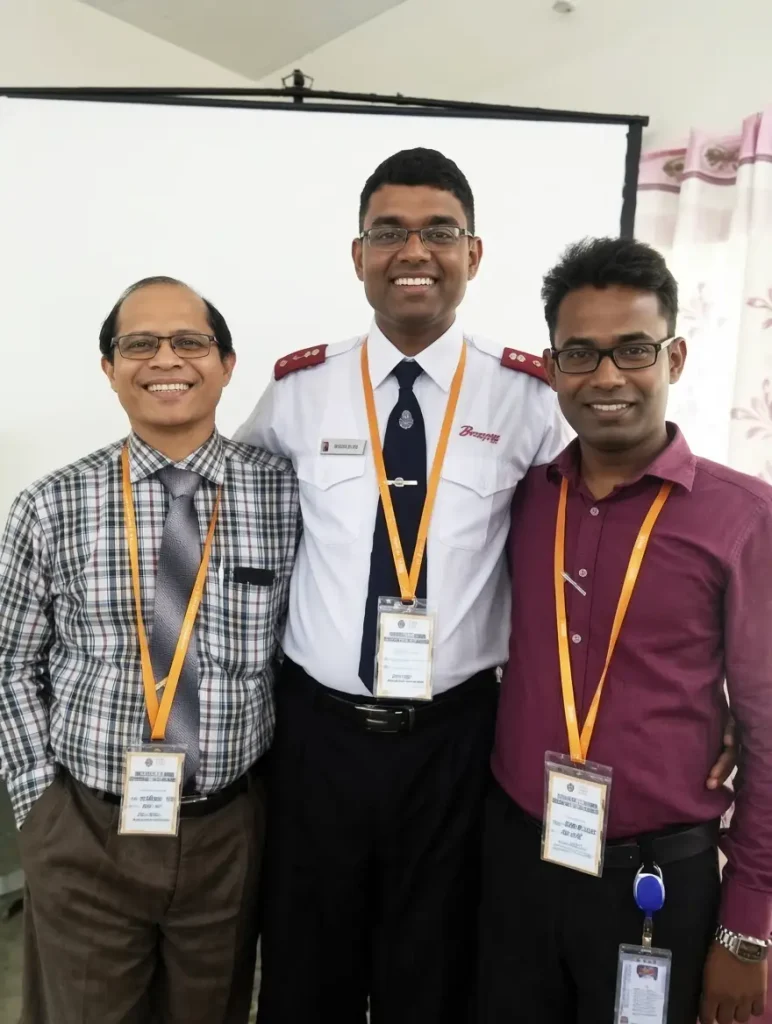
Attending the Five-Year Strategic Plan Meeting – 2018 was a valuable opportunity to appreciate the importance of long-term planning in the development of a theological educational institution.
The meeting highlighted the need for a clear vision, well-defined objectives, collective responsibility, and effective implementation strategies. It also reinforced the understanding that theological education involves not only academic knowledge but also spiritual maturity, Christian character, and practical preparation for ministry.
I recognized that the successful implementation of a strategic plan requires commitment from institutional leadership, faculty members, students, churches, and supporting organizations. Regular assessment and review are also essential to ensure that planned activities contribute meaningfully to the institution’s mission.
- Conclusion
My attendance at the Five-Year Strategic Plan Meeting – 2018 of the College of Christian Theology Bangladesh, held at Savar, Dhaka, Bangladesh, on 19 October 2018, was an important learning experience. The meeting underscored the significance of strategic planning in strengthening theological education, developing Christian leadership, improving institutional effectiveness, and ensuring sustainable growth.
The experience deepened my appreciation for the need for a shared vision, collaborative leadership, and purposeful planning in advancing the mission of theological education in Bangladesh.
I am grateful for the opportunity to participate in this important institutional planning event and trust that the discussions and planning efforts will contribute to the continued development and effectiveness of the College of Christian Theology Bangladesh.